클링 4로 사진 6장을 15초 영상으로 만드는 법
클링 4에 사진 6장을 넣고, 글 하나로 15초 영상을 만드는 방법을 쉬운 말로 풀어 썼어요. 클링 공식 예시를 바탕으로 한 설명이에요.
먼저 알아 둘 것
클링 4는 글과 사진으로 영상을 만들어 주는 인공지능이에요.
이 글은 클링이 공개한 예시 하나를 풀어서 설명해요. 사진 6장을 넣고, 긴 글 하나를 써서 15초짜리 영상을 만든 예시예요.
끝까지 읽으면 사진 여러 장으로 영상을 만들 때 글을 어떻게 쓰는지 알 수 있어요.
낱말 풀이
- 프롬프트
- 인공지능에게 "이렇게 만들어 줘" 하고 보내는 글이에요.
- 키프레임
- 영상 중간중간에 꼭 나왔으면 하는 장면 사진이에요. 사진을 정해 두면 영상이 그 모습들을 지나가요.
- 컷
- 장면이 바뀌는 곳이에요. 영화에서 장면이 툭 바뀌면 "컷이 바뀌었다"고 말해요.
- 구간
- 영상을 시간으로 나눈 한 토막이에요. 예를 들면 "0초부터 2초까지"예요.
한눈에 보기
- 쓴 기능
- 키프레임 (사진만 넣어요)
- 넣은 사진
- 6장. 모두 같은 소녀이고, 방은 모두 민트색이에요.
- 나온 영상
- 약 15초, 가로로 긴 화면(1920×1080), 1초에 24장, 소리 있음
- 글 길이
- 영어로 약 4,700자
- 클링이 정한 한계
- 사진은 최대 10장(한 장에 30MB 이하), 글은 8,000토큰까지, 영상 길이는 3초부터 30초까지예요. 토큰은 인공지능이 글자를 세는 단위예요.
공식 예시에는 영상 길이나 화면 크기가 따로 적혀 있지 않아요. 위의 "나온 영상"은 공식 영상 파일을 직접 재서 알아낸 값이에요. 클링이 정한 한계는 공식 가이드에 적힌 내용이에요.
넣은 사진 6장
이 6장이 영상의 중요한 장면이 돼요. 순서대로 나열했어요.
-
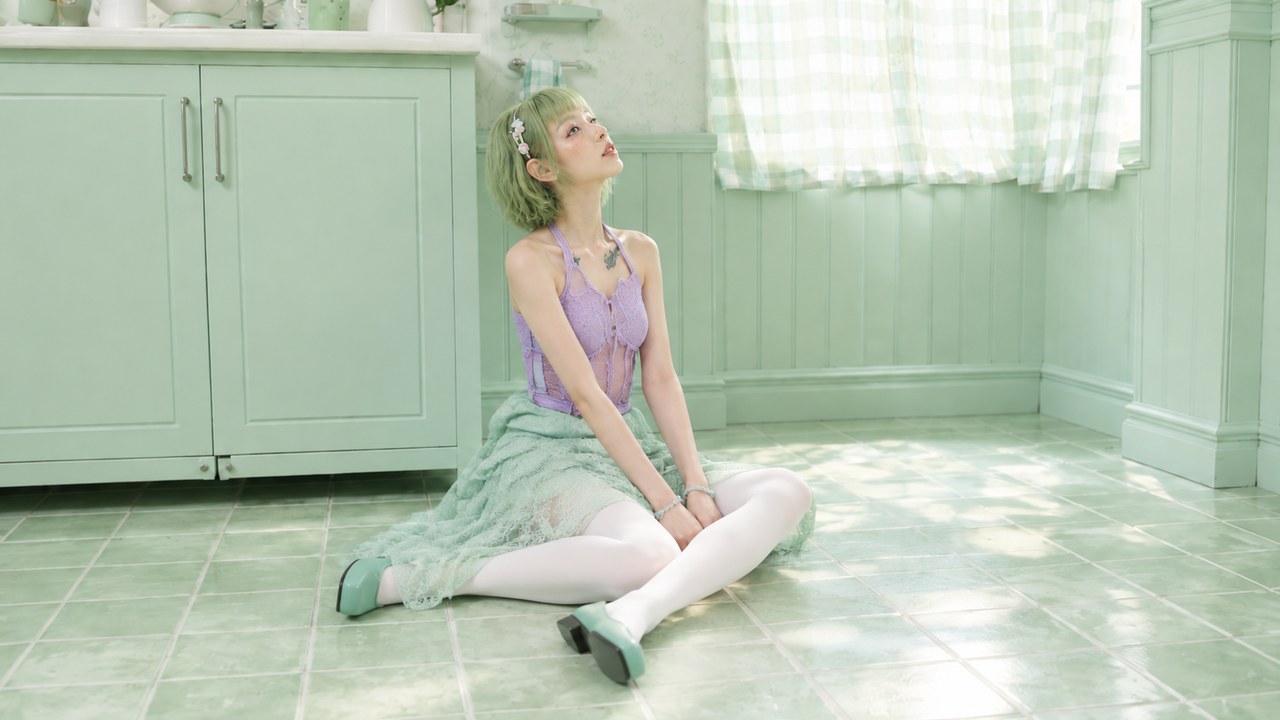
K1 바닥에 앉아 창문 빛을 올려다봐요0.0–2.1초 -
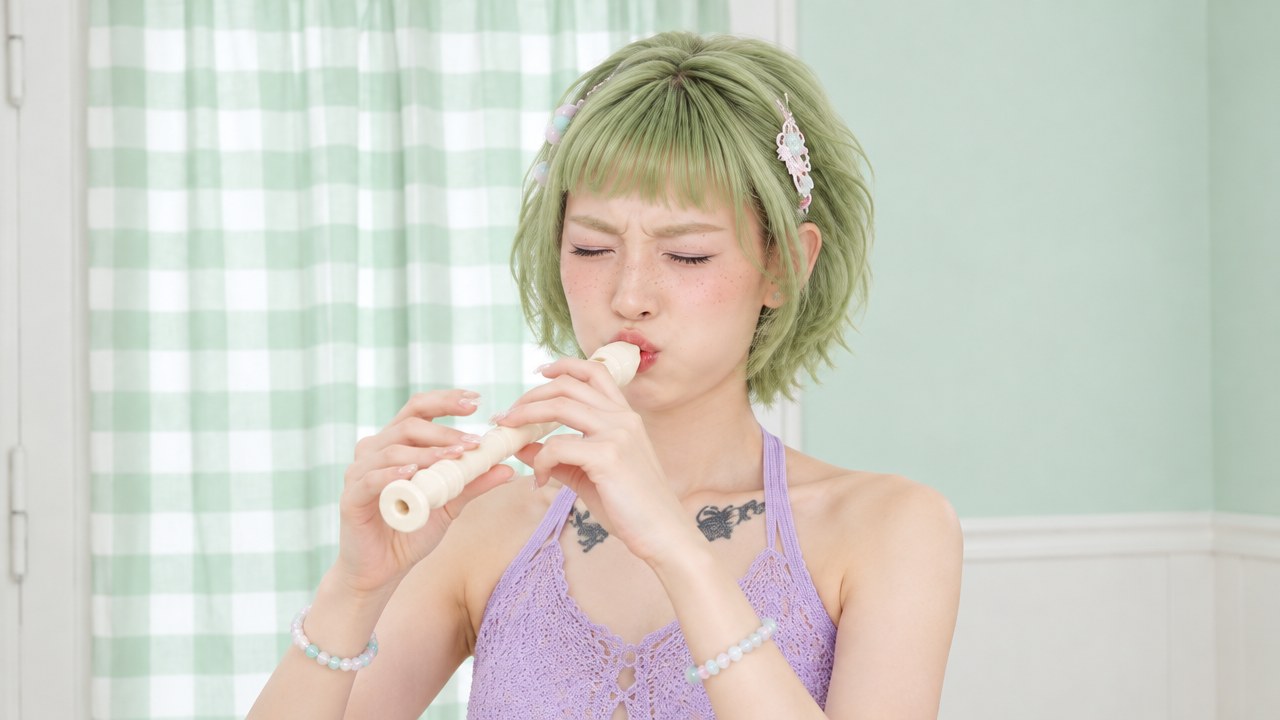
K2 눈을 감고 리코더를 불어요2.1–4.3초 -
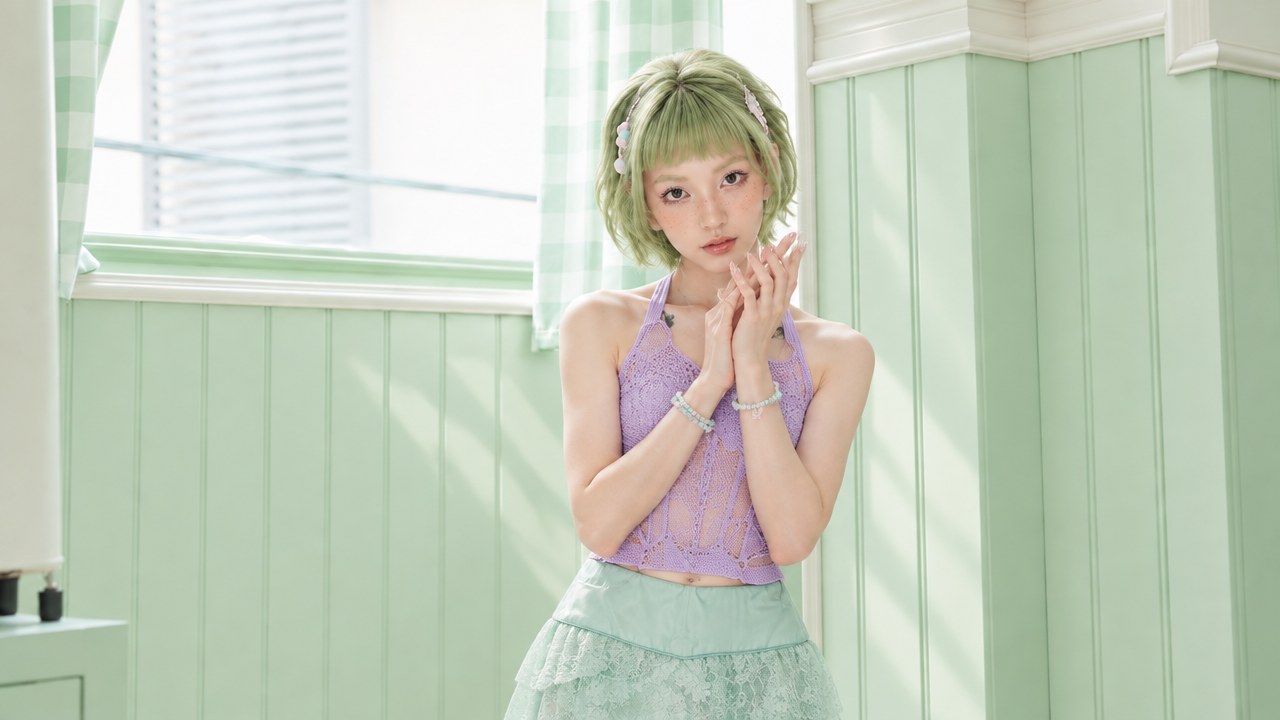
K3 창가에 서서 두 손을 얼굴 옆에 모아요4.3–6.5초 -
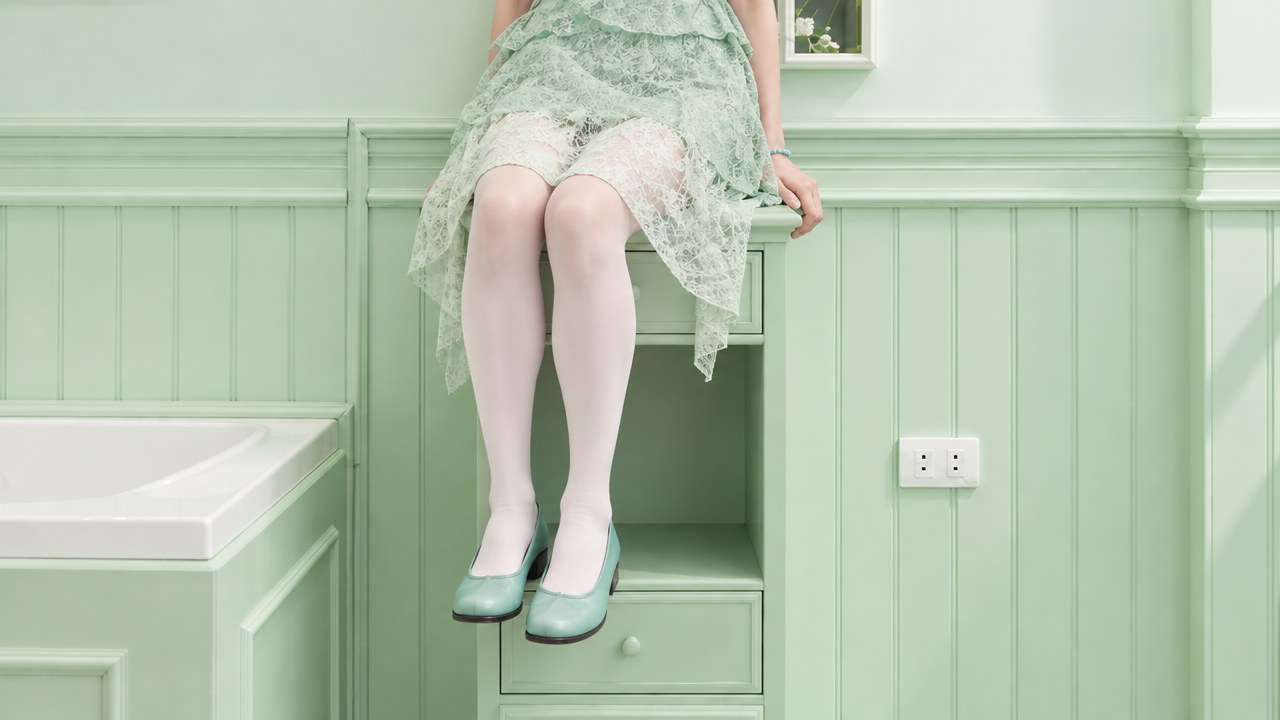
K4 캐비닛에 걸터앉은 다리만 보여요(아래에서 올려다본 모습)6.5–8.5초 -
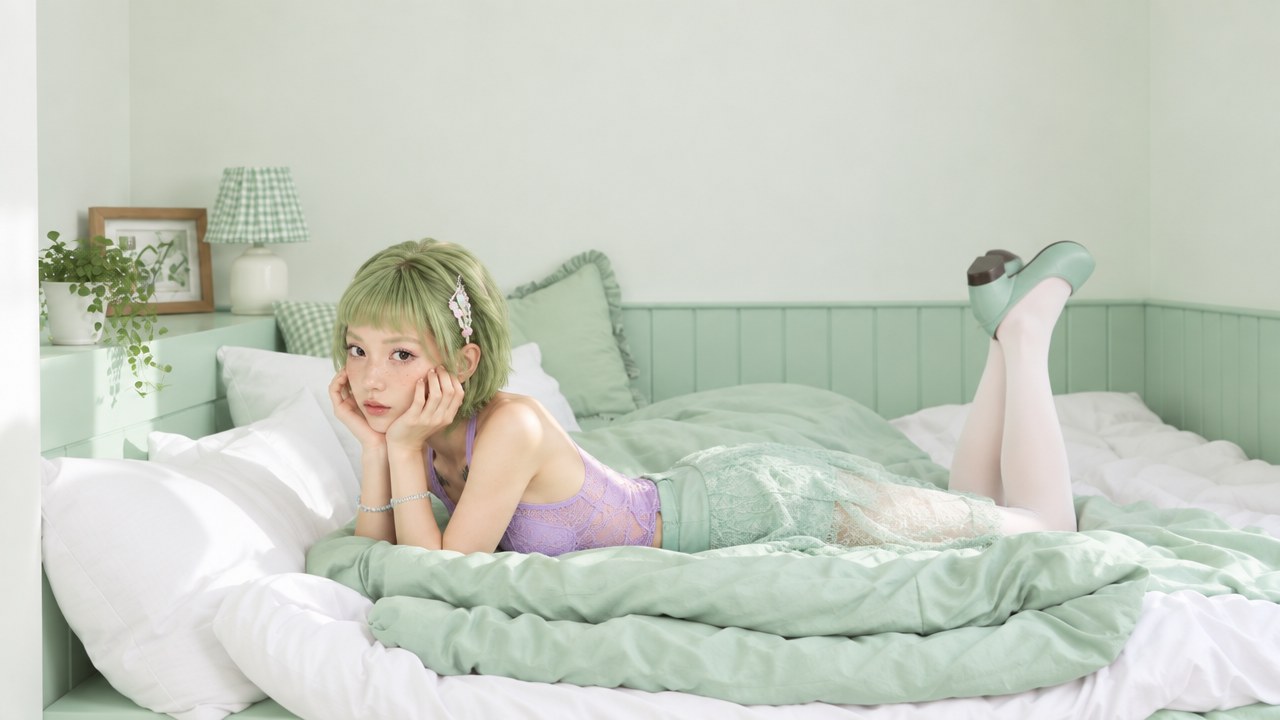
K5 침대에 엎드려 턱을 괴고 발을 들어요8.5–10.8초 -
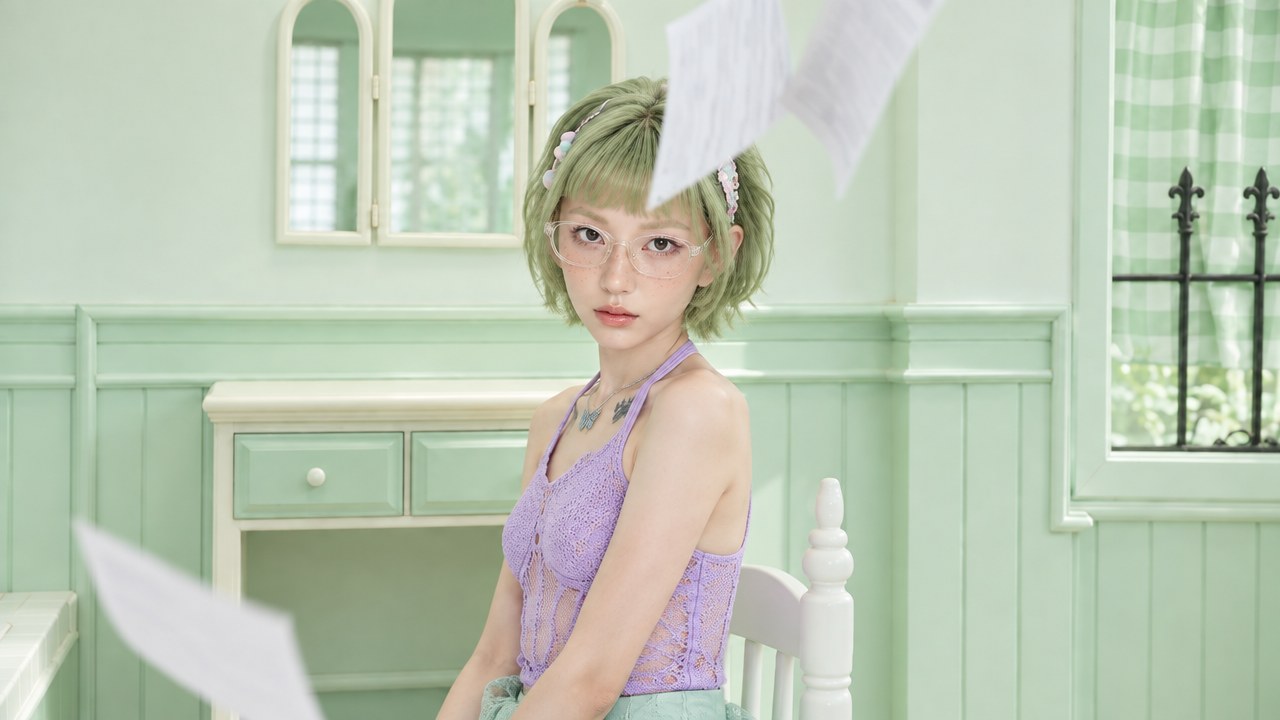
K6 흰 의자에 앉고, 앞으로 종이가 날아가요10.8–13.5초
사진 출처: Kling AI 공식 가이드의 예시 사진이에요. Kling 4.0 User Guide (클링 공식 가이드), 3.2 Keyframes 예시
영상은 이렇게 흘러가요
공식 영상을 보고 장면마다 정리했어요. 맨 오른쪽 칸은 "다음 장면으로 어떻게 넘어가는지"예요.
| 시간 | 사진 | 무슨 장면인가요 | 다음 장면으로 넘어가는 순간 |
|---|---|---|---|
| 0.0–2.1초 | K1 | 민트색 타일 바닥에 앉은 소녀가 창문 빛을 보며 천천히 고개를 들어요. 카메라가 아주 조금(3% 정도) 다가가요. | 고개가 가장 높이 올라간 순간, 리코더 소리가 0.1초 먼저 들리면서 장면이 바뀌어요. |
| 2.1–4.3초 | K2 | 눈을 감고 흰 리코더를 한 번 불어요. 손가락은 두세 개만 움직여요. | 리코더 소리가 끝나는 순간 바뀌어요. |
| 4.3–6.5초 | K3 | 창가에 서서 두 손을 얼굴 오른쪽 옆에 모으고, 0.4초 뒤에 카메라를 쳐다봐요. | 손이 화면 아래로 빠지는 순간 바뀌어요. |
| 6.5–8.5초 | K4 | 높은 캐비닛에 걸터앉아서 다리만 보여요. 발끝을 한 번 앞으로 흔들었다가 돌아와요. | 신발이 아래로 내려오는 순간 바뀌어요. |
| 8.5–10.8초 | K5 | 침대에 엎드려 턱을 괴고, 카메라, 창문 빛, 카메라 순서로 쳐다봐요. 발끝은 딱 한 번만 엇갈려요. | 침대 시트 끝이 화면을 지나가며 가려지는 순간 바뀌어요. |
| 10.8–13.5초 | K6 | 흰 의자에 앉아 카메라를 봐요. 흰 종이가 화면을 가로질러 날아가요. 눈을 한 번 깜빡이고 고개를 3도 기울여요. | 마지막 모습을 그대로 유지해요. |
| 13.5–15.0초 | 마무리 | 창문 빛이 서서히 어두워지면서 장면이 사라져요. | 끝이에요. |
표는 옆으로 밀어서 볼 수 있어요.
이 글을 내 영상에 쓰는 방법
아래 순서대로 하면 돼요. 번호마다 이 예시에서 어떻게 했는지도 적었어요.
같은 사람이 나온 사진을 골라요
이 예시는 같은 소녀가 나오고, 방도 모두 민트색이에요. 사진마다 사람이나 방이 달라 보이지 않게 맞춘 거예요. 내 영상도 사람과 분위기가 비슷한 사진으로 고르면 좋아요.
글에서 사진을 이름으로 불러요
원문에는
Image Node_23같은 이름이 있어요. 공식 예시에서 쓴 사진 이름이라서 내 사진에는 맞지 않아요. 내가 올린 사진을 가리키는 이름으로 바꿔 써야 해요. 클링 공식 가이드에서는 사진을@Image1,@Image2처럼 불러요.영상 시간을 토막으로 나눠요
영상 길이를 정하고(클링은 3초부터 30초까지), 사진 수만큼 나눠요. 이 예시는 15초를 6토막으로 나눠서 한 토막이 2초쯤 돼요. 토막마다 "몇 초부터 몇 초까지, 몇 번째 사진"을 먼저 적어요.
토막마다 사진 한 장을 정해요
원문은
Strictly match라고 써요. "이 사진과 똑같이 맞춰 줘"라는 뜻이에요. 사진을 영상 시간에 놓는 자리와 글에 쓴 시간이 서로 맞게 해 두세요.장면이 바뀌는 순간을 소리나 동작 하나에 맞춰요
이 예시는 리코더 소리, 손이 내려가는 순간, 신발 끝, 침대 시트 끝에 맞춰서 장면을 바꿔요. 그냥 "다음 장면"이라고만 쓰는 것보다 어느 순간에 바뀌는지 알려 주는 거예요.
"하지 말 것"도 글로 써요
예를 들어 "다리가 바닥에 닿지 않게", "침대 위 물건 자리를 바꾸지 않게", "종이가 얼굴 전체를 0.3초보다 오래 가리지 않게" 같은 말이에요. 하지 말 일을 미리 말해 두는 거예요.
첫 줄에 사람이 몇 명인지 못 박아요
원문 첫 줄은
EXACT 1 CHARACTER — NO DUPLICATES예요. "딱 한 명이야. 똑같은 사람이 둘 나오면 안 돼"라는 뜻이에요.
영상이 나오면 이것만 봐요
영상이 다 만들어지면 아래 여섯 가지를 확인해 보세요.
- 사진과 사진 사이에서 얼굴이 이상하게 변하지 않나요?
- 발이 바닥에서 미끄러지듯 움직이지 않나요?
- 장면이 툭 바뀌어야 하는 곳이 스르르 섞이지는 않나요?
- 몸을 돌리는 방향이 글에 쓴 대로인가요?
- 옷이나 물건이 장면마다 똑같이 이어지나요?
- 숨 쉬고 멈추는 시간이 있나요? 사진 6장이 굳은 채로 이어지기만 하지 않나요?
실제 영상은 글과 똑같지 않아요
공식 영상을 직접 봤더니, 장면 순서는 글대로 K1부터 K6까지 이어졌어요.
그런데 1초쯤에 글에 없는 옆얼굴 클로즈업이 하나 더 들어갔어요. 끝도 달랐어요. 글에는 "서서히 어두워진다"고 썼는데, 실제로는 동그랗게 닫히면서 까만 화면이 됐어요.
그러니까 글을 쓴 대로 100% 똑같이 나올 거라고 생각하지 마세요. 조금 다르게 나와도 괜찮아요.
프롬프트 원문 (영어)
클링 공식 가이드에 있는 글을 한 글자도 바꾸지 않았어요. 복사해서 쓰되, 사진 이름(Image Node_…)만 내 사진 이름으로 바꾸세요.
SCENE CONTEXT EXACT 1 CHARACTER — NO DUPLICATES. 0.0–2.1s | Keyframe 1: Looking Up from the Floor. Strictly match Image Node_23. Wide, static composition: The girl sits on mint-green tiled flooring, leaning against a cabinet and the corner of a wall, with her legs naturally extended apart and both hands resting lightly between her knees. Soft light filters through the plaid curtains and falls across the tiles. She initially keeps her gaze lowered, then slowly lifts her head toward the window light, lips slightly parted, as if hearing a melody from far away. The curtains sway only slightly, while the lace hem of her skirt and the tips of her hair show the faintest hint of movement with her breathing. The camera slowly pushes in by approximately 3% without changing the composition.

2.1–4.3s | Keyframe 2: Close-Up of the Recorder, Sound-Matched Cut. At the peak of the girl's head-lifting motion, a clear, brief recorder note enters 0.1 seconds early. Hard cut to the medium close-up from Image Node_29 (2). The girl closes her eyes and gently plays a white recorder, completing one full but brief exhalation. Only two or three fingers make subtle adjustments over the holes. Her cheeks puff out slightly, then relax. Do not distort the recorder, exaggerate her puffed cheeks, or add extra fingers. Keep the camera steady and the plaid curtains softly out of focus in the background.

4.3–6.5s | Keyframe 3: Hands and Gaze, Action-Matched Cut. The instant the recorder note ends, hard cut to Image Node_18. The girl stands by the window in front of mint-green wall paneling, with both hands held beside the right side of her face, as if gathering the melody into her palms. She keeps her gaze lowered for approximately 0.4 seconds, then gently raises her eyes to look directly into the camera. Her fingers make one extremely subtle closing motion, and her beaded bracelet catches a glint of window light. The camera pushes in extremely slowly from a medium shot, keeping her centered and the interior clean and uncluttered.

6.5–8.5s | Keyframe 4: Detail of Dangling Legs, Skirt-Matched Cut. As her hands slowly move away from the sides of her face, use the moment they drop out of the bottom edge of the frame as the cut point. Hard cut to Image Node_21. Low-angle close-up: The girl sits on the edge of a tall mint-green cabinet. Only her mint-green lace skirt, white stockings, pale green Mary Jane shoes, and one hand lightly touching the cabinet edge are visible. Her legs remain together and dangle freely. Her toes gently swing forward once, pause, then naturally return to a vertical resting position. The lace hem sways slightly with the movement. Do not exaggerate the swinging motion, let her legs touch the floor, or change the positions of the cabinet and bathtub.

8.5–10.8s | Keyframe 5: Still Gaze on the Bed, Shoe-Tip-Matched Cut. As both shoes swing back downward, hard cut to Image Node_22. The girl lies on her stomach on a mint-green bed, resting her face in both hands with her feet raised behind her. The composition is gentle, with ample negative space. She looks at the camera first, then softly shifts her gaze toward the window light on the left before returning it to the camera. Her feet perform only one small, synchronized crossing motion at the shoe tips, then relax. The bedsheet develops only the faintest soft folds. Do not turn her into a side-lying pose or change the positions of the pillows, bedsheet, table lamp, plants, or framed pictures.

10.8–13.5s | Keyframe 6: Paper in the Foreground, Final Gaze. Use a corner of the pale bedsheet passing across the frame as an occlusion transition, then hard cut to Image Node_20. The girl sits on a white chair, with her transparent glasses strictly matching the keyframe. A sheet of white paper slowly drifts across the frame from the lower left and upper edge, briefly obscuring part of her forehead and shoulder, but must never cover her entire face for more than 0.3 seconds. She gazes quietly at the camera through the moving sheet of paper. After blinking once, she tilts her head slightly to the right by approximately 3 degrees and holds the position. The paper drifts out of frame. Keep the camera steady, and do not create a storm-like flurry of paper.

13.5–15.0s | Gentle Fade to Black. Maintain the final composition of Keyframe 6. After the paper leaves the frame, the girl remains still, maintaining a calm, direct gaze. The daylight by the window gradually dims like a soft light being slowly turned down. The mint-green walls, curtains, girl, and chair all fade evenly into shadow. Do not abruptly switch off the lights, change the color temperature, or add any text.
공식 영상과 출처
공식 결과 영상은 클링 공식 가이드에서 볼 수 있어요. Kling 4.0 User Guide (클링 공식 가이드), 3.2 Keyframes 예시
이 페이지는 클링 공식 예시를 풀어서 설명한 글이에요. 오늘도 무료인 AI가 직접 영상을 만들어 본 것이 아니에요. 사진과 글 원문은 클링 공식 가이드에 있는 예시예요.